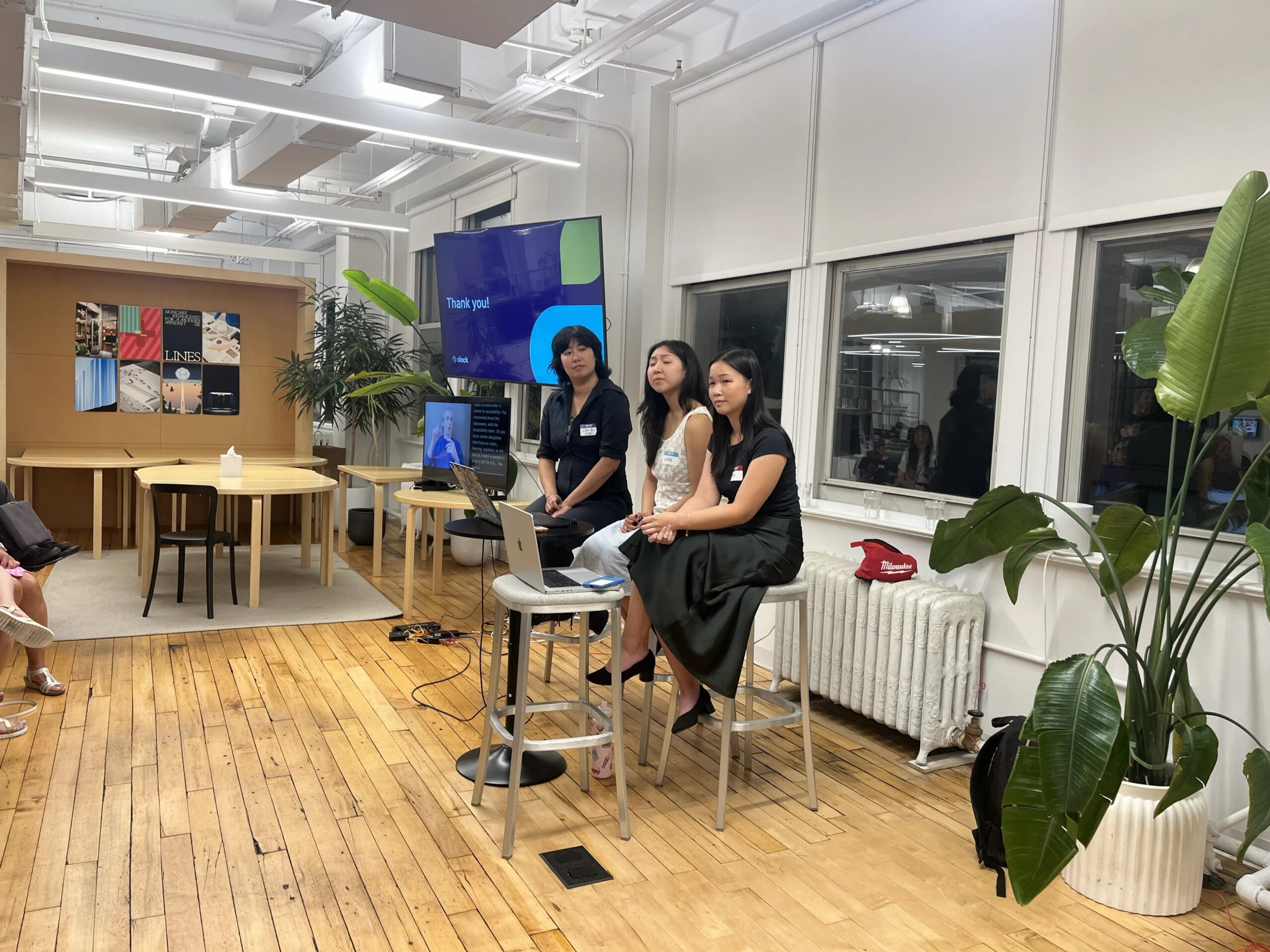
Slack created Simplified Layout Mode to make the workspace easier to navigate for people who benefit from simpler, more predictable interfaces. It replaces busy multicolumn screens with single‑column views, uses larger targets, and removes hover‑only menus. These changes support people who use eye tracking, head‑mouse technology, or screen readers by reducing fatigue and improving orientation. The cleaner layout also helps people with ADHD or dyslexia stay focused with fewer distractions. Through testing with disabled and neurodivergent users, Slack shaped a flexible design that gives people more control over how they work.
Author: Accessibility NYC
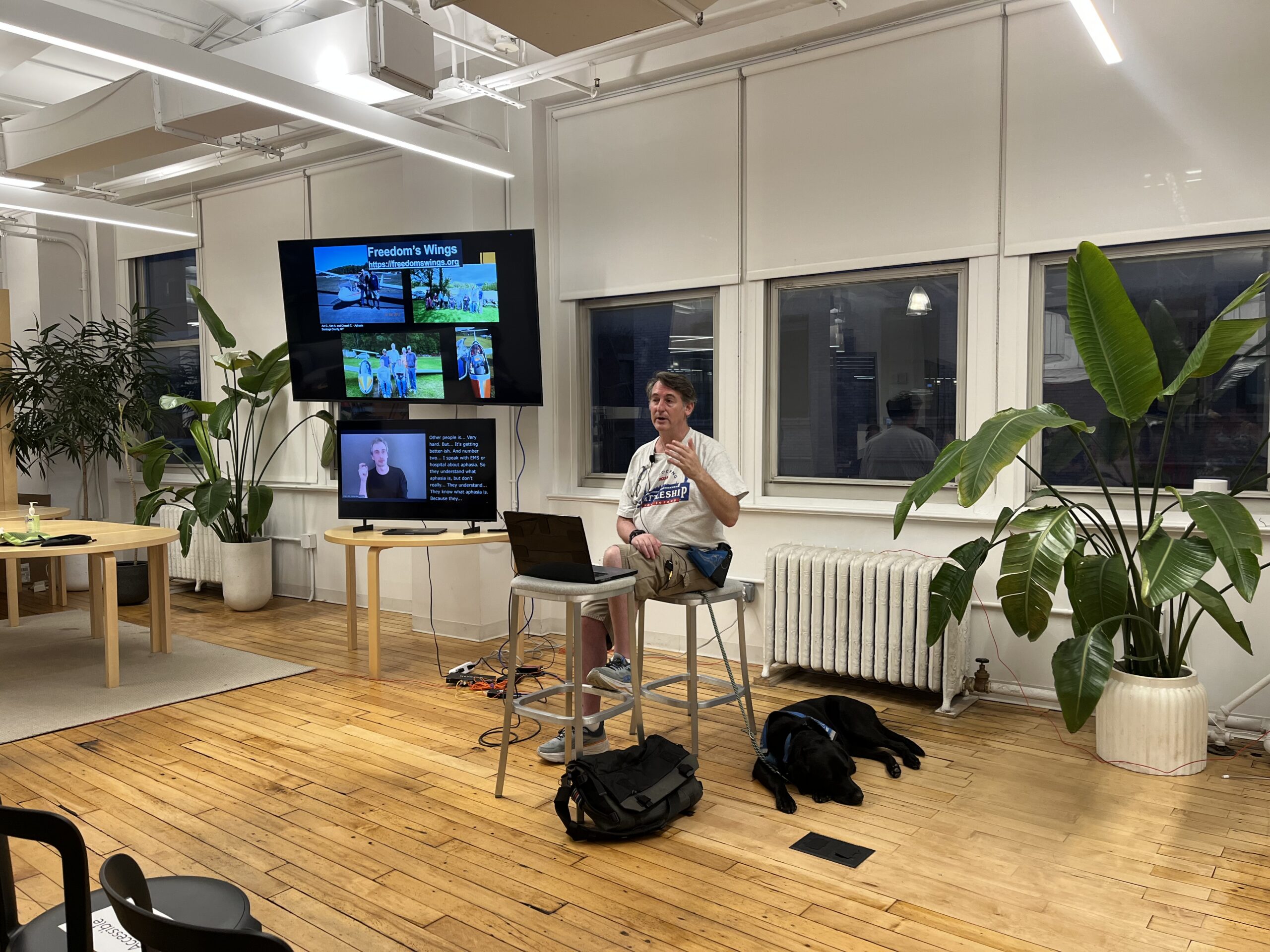
From paramedic to aphasia advocate
Aug 26, 2026This article shares Avi Golden’s experience with aphasia after a stroke. It describes communication challenges, recovery work, and the role of speech pathology. It explains how adaptive sports and community programs support confidence and connection. It highlights how emergency responders, clinicians, and disability organizations can better understand aphasia. It offers practical examples of autonomy, dignity, and participation.
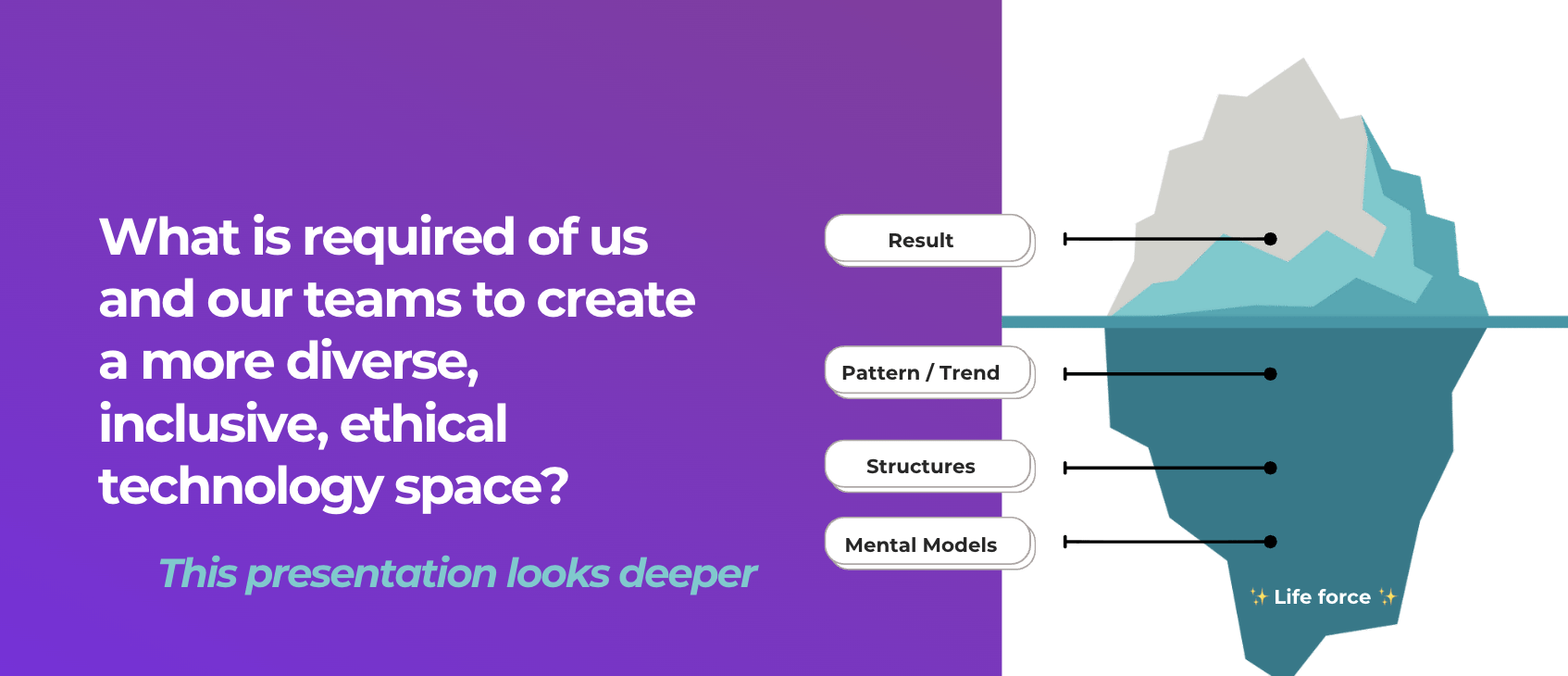
This article is based on a presentation by Elina Ashimbayeva, who explains how deeper values shape the way people design technology and work together. It describes how small actions in teams can shift culture. It shows how mental models influence inclusion and access. It offers examples of inclusive design choices and practical ways to build more ethical systems. It encourages reflection, curiosity, and steady personal change.
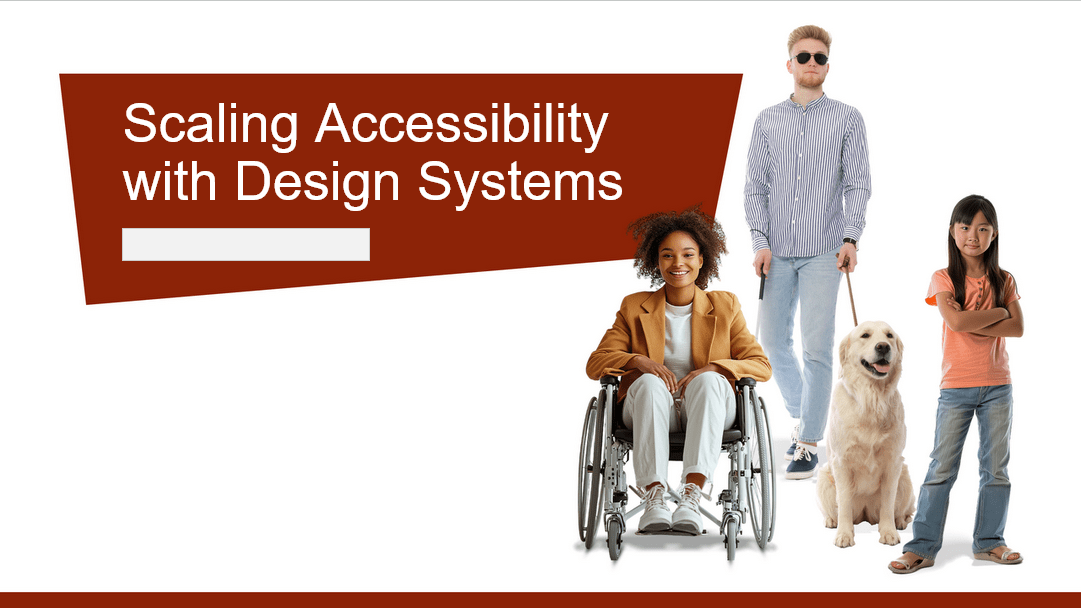
Centralizing design and engineering help organizations build better digital services. Fragmented experiences often occur when teams solve the same problems in isolation. This leads to visual and functional inconsistencies that frustrate users and waste resources. By using a shared library of accessible components, teams can work more efficiently. This approach ensures that inclusion is built into every digital interaction from the start, including those working for state governments like the State of New York as this is based on their experience.
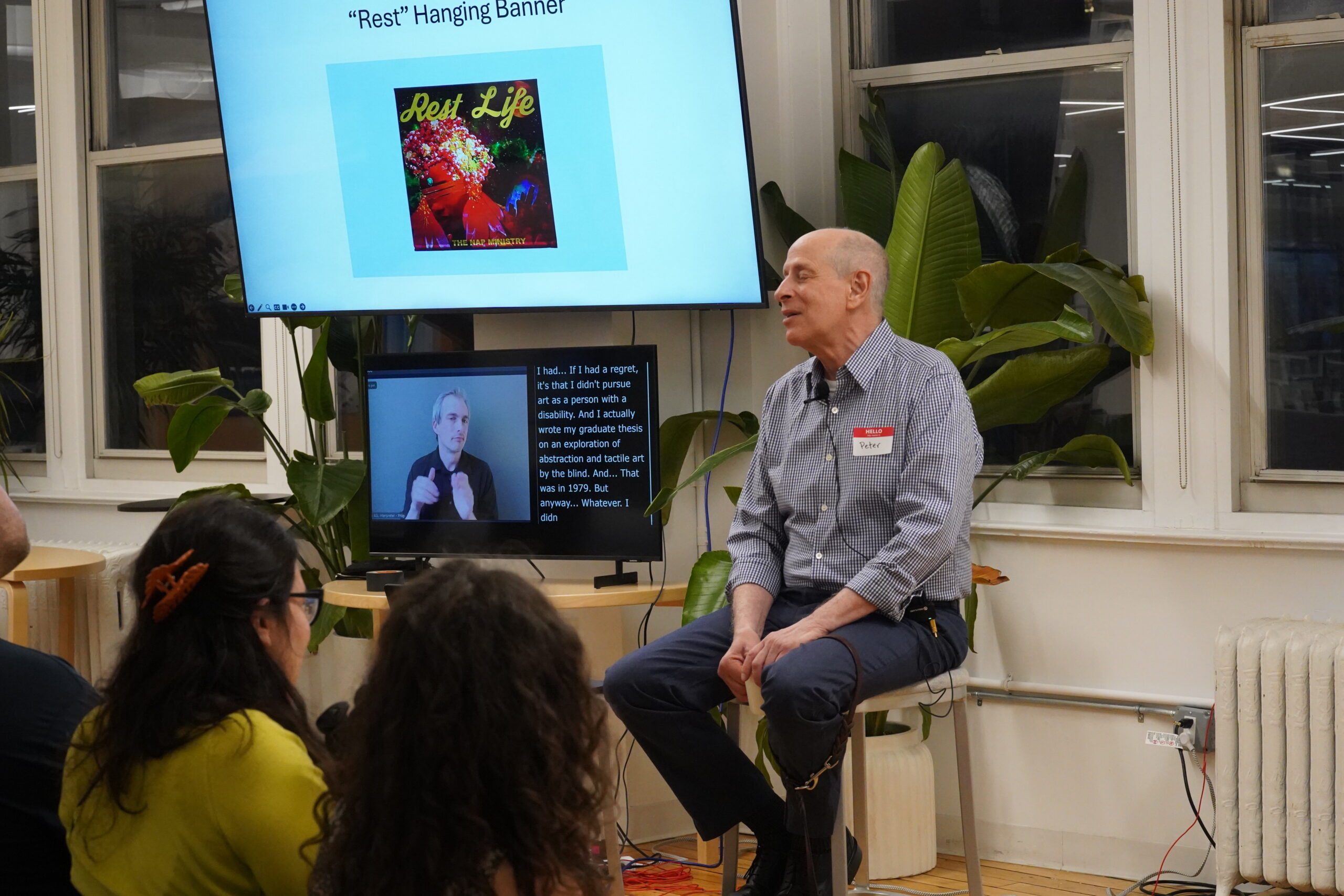
The Clarity of Social Accessibility
May 29, 2026This article, based on a presentation, explores how social accessibility affects daily experiences. It highlights the importance of recognition, the barriers people face in public places, and the influence of disability history. The article also explains why empathy and inclusion fall short and offers clear steps for bringing awareness and dignity into design and human interactions.

PDF accessibility is a long-standing challenge. Many documents are hard to navigate, expensive to fix, and difficult for assistive technology to interpret. This article explains why traditional tagging approaches fall short and how AI-powered semantic translation can turn PDFs into accessible Markdown. It also shows how this method supports autonomy, reduces barriers, and creates documents that work for more people.
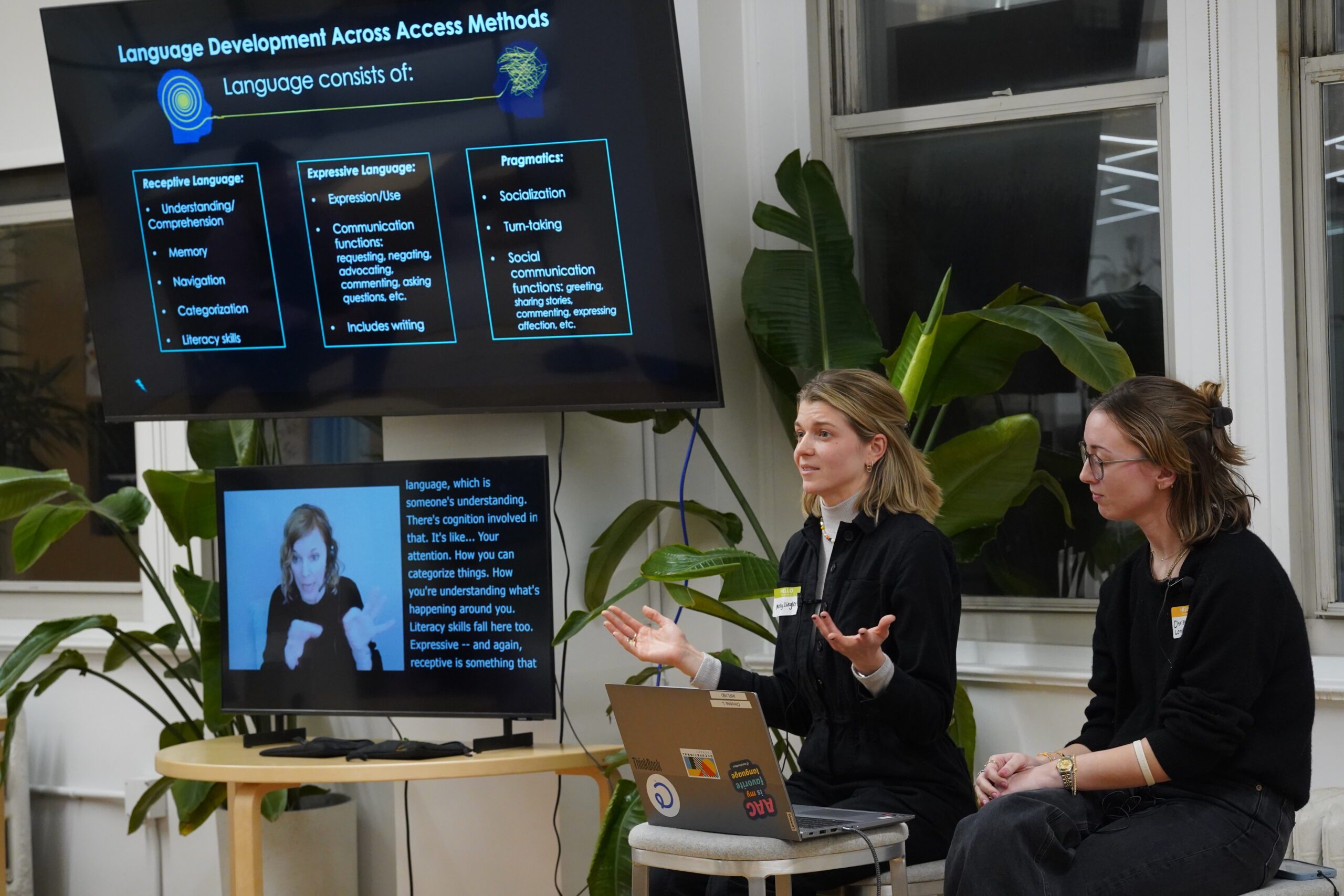
This article explains how to support people who communicate in diverse ways, including those who use augmentative and alternative communication (AAC). It covers the Communication Bill of Rights, the foundations of language, access considerations, vocabulary systems, and practical modeling strategies. The focus is on autonomy, dignity, and meaningful interaction. It describes how to create communication-rich environments, presume potential. It also explains how to use AAC tools in ways that respect each person’s identity, preferences, and communication style.
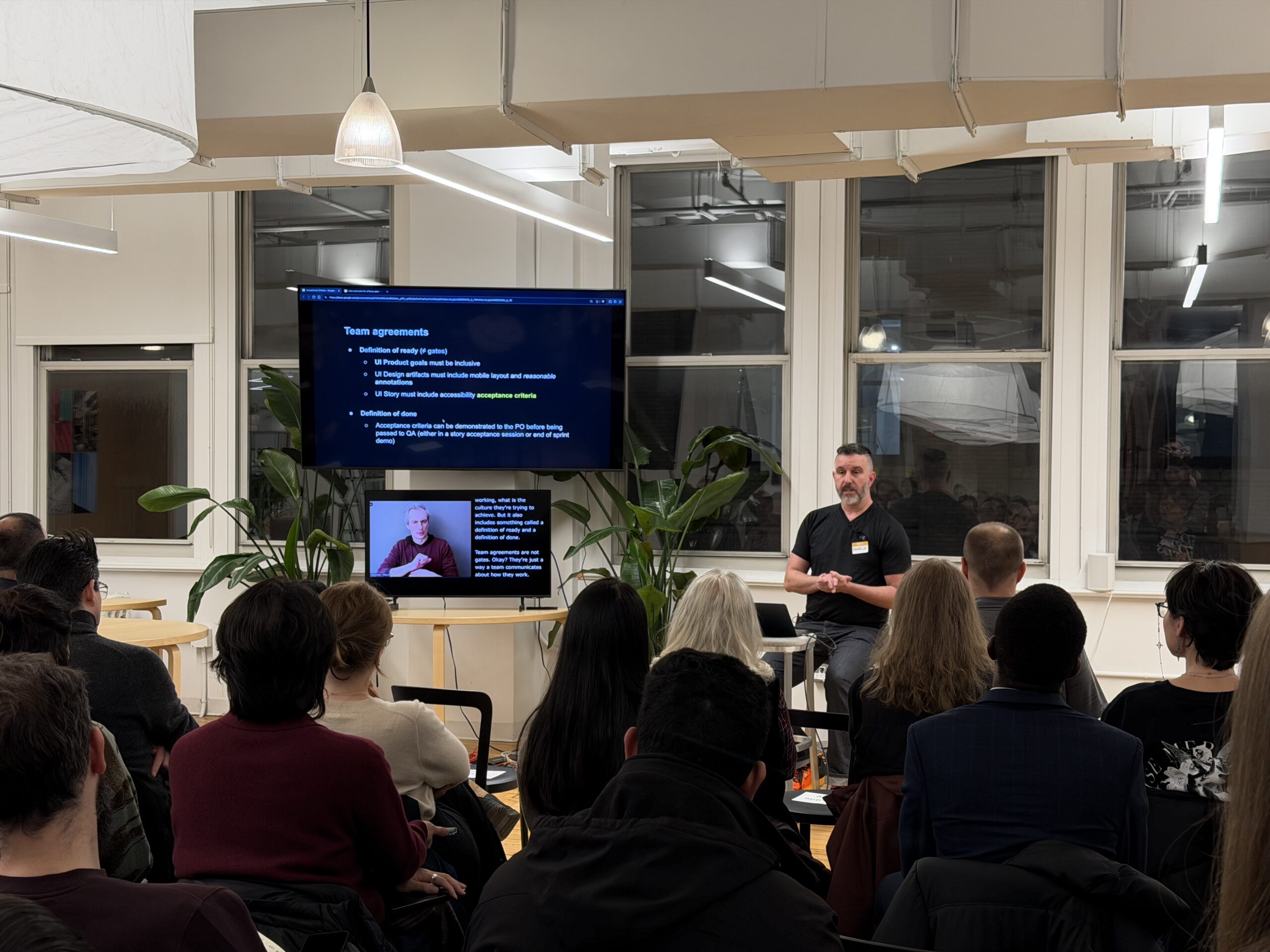
Every Jira Ticket Is Your Accessibility Policy
Mar 4, 2026Charlie Triplett explains how accessibility becomes sustainable when it is built into the everyday tools teams already use. Instead of relying on mindset shifts or expecting everyone to learn the Web Content Accessibility Guidelines (WCAG), Charlie shows how acceptance criteria, team agreements, and agile practices help designers, developers, and product owners understand what success looks like for real people. By embedding accessibility into user stories and Jira tickets, teams become more self-sufficient, reduce ambiguity, and create digital products that work for everyone.
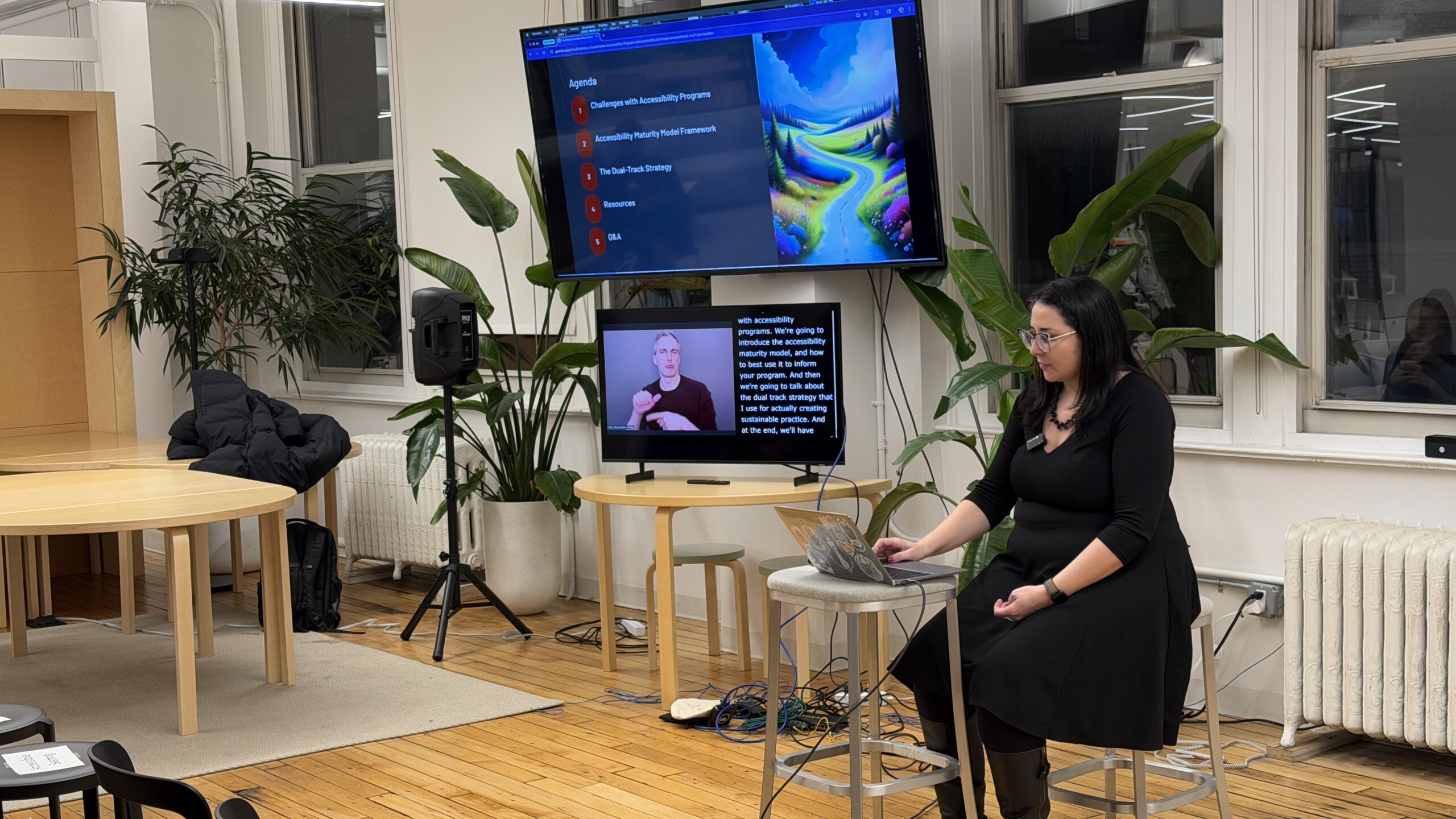
At an A11yNYC meetup, Lina Trifon, Senior Product Manager of Accessibility, shared practical strategies for building sustainable accessibility programs. Drawing from lived experience and product leadership, Lina outlined how to use the W3C Accessibility Maturity Model and a dual-track approach — reactive and proactive — to move organizations from awareness to integration. The conversation emphasized dignity, inclusion, and realistic steps for embedding accessibility into workflows.
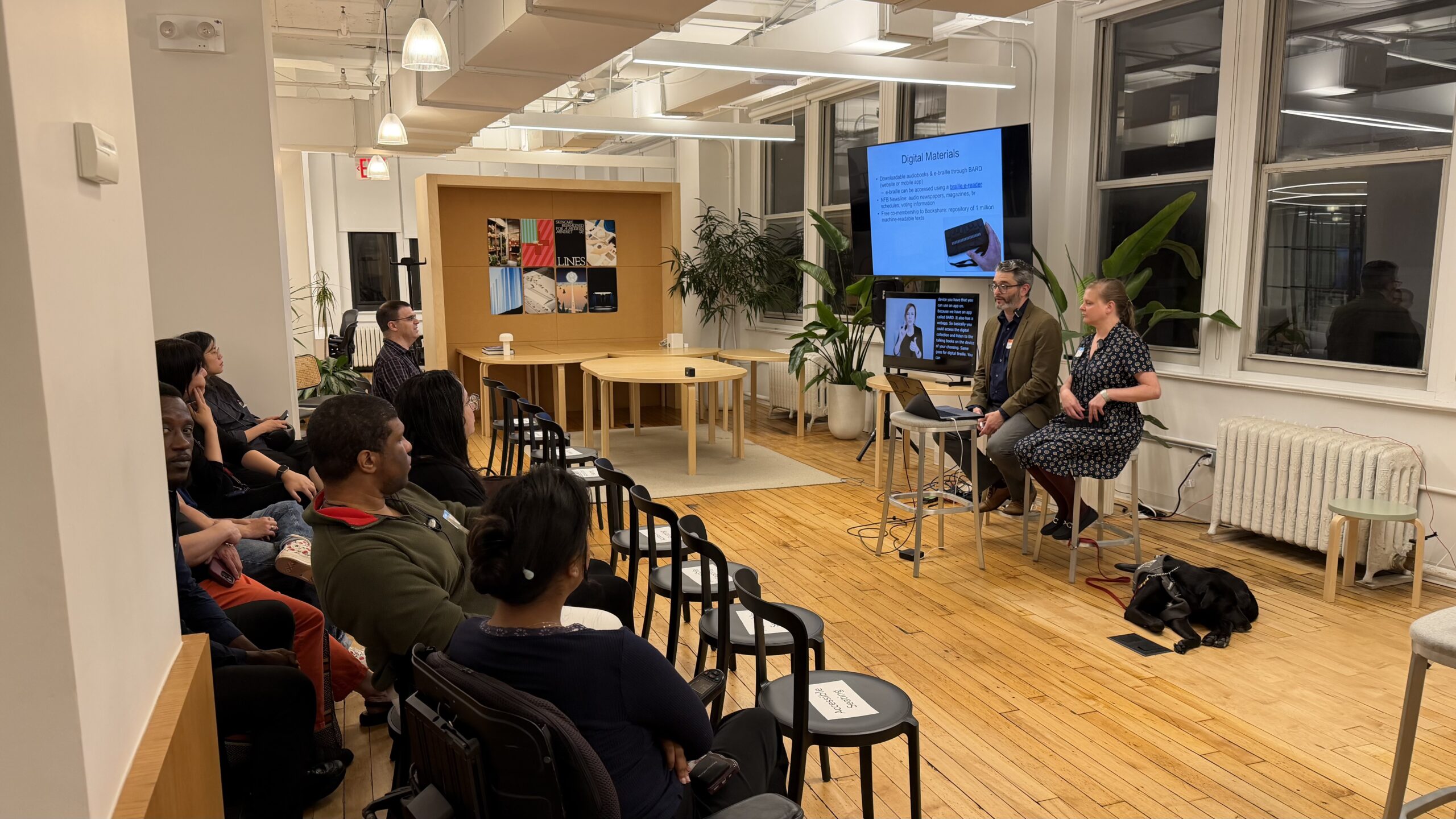
Most people take reading for granted. But for those with print disabilities, access to books, news, and learning materials can be life-changing. The Andrew Heiskell Braille and Talking Book Library transforms that access into reality, offering free talking books, Braille materials, digital downloads, and personalized tech support for anyone who can’t process standard print. Through tactile arts labs, assistive technology coaching, and inclusive programming, the library empowers patrons to read, create, and connect on their own terms. They prove that literacy is about freedom.