Digital Accessibility’s Gap: AI to Bridge Mobile and Web Barriers

Jul 30, 2025

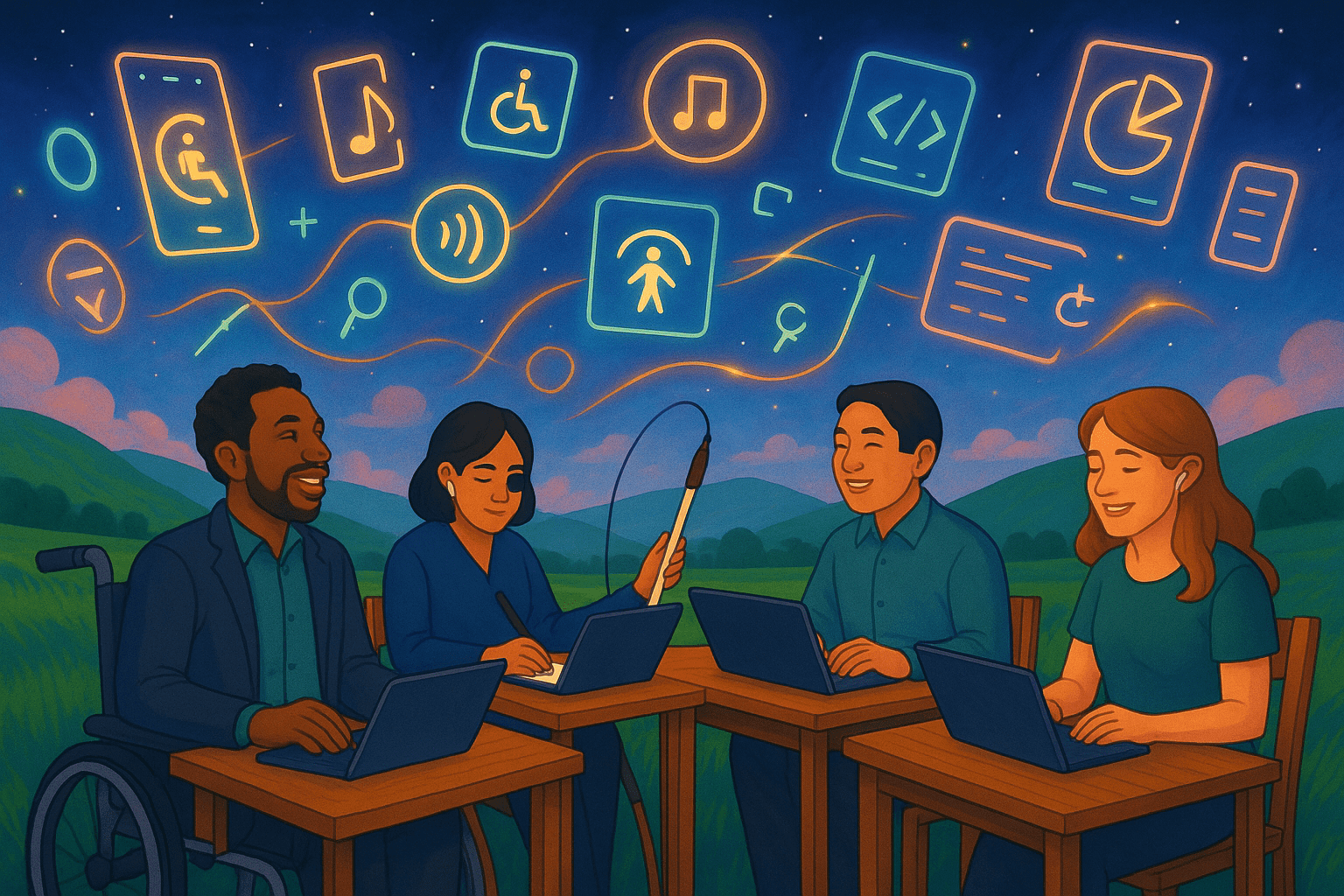
Mobile accessibility remains challenging, with 60–80% of users encountering barriers across common apps. Jason Tan frames the challenge through four apocalyptic horsemen: lack of mobile-specific standards, weak automation tools, opaque UI structures, and restrictive platform APIs. He proposes a new automation layer to bridge gaps.

Michael Bervell adds a human-tech lens arguing AI can amplify accessibility professionals’ impact when used wisely. A study has found “cyborg” workflows outperform traditional ones known as centaur. While AI shows promise for automating up to 95% of WCAG remediation, human expertise remains irreplaceable. Be a cyborg, not a centaur.
Accessibility Lightning Talks: AI for Accessibility, Engagement, Audio, and Access

Jul 10, 2025

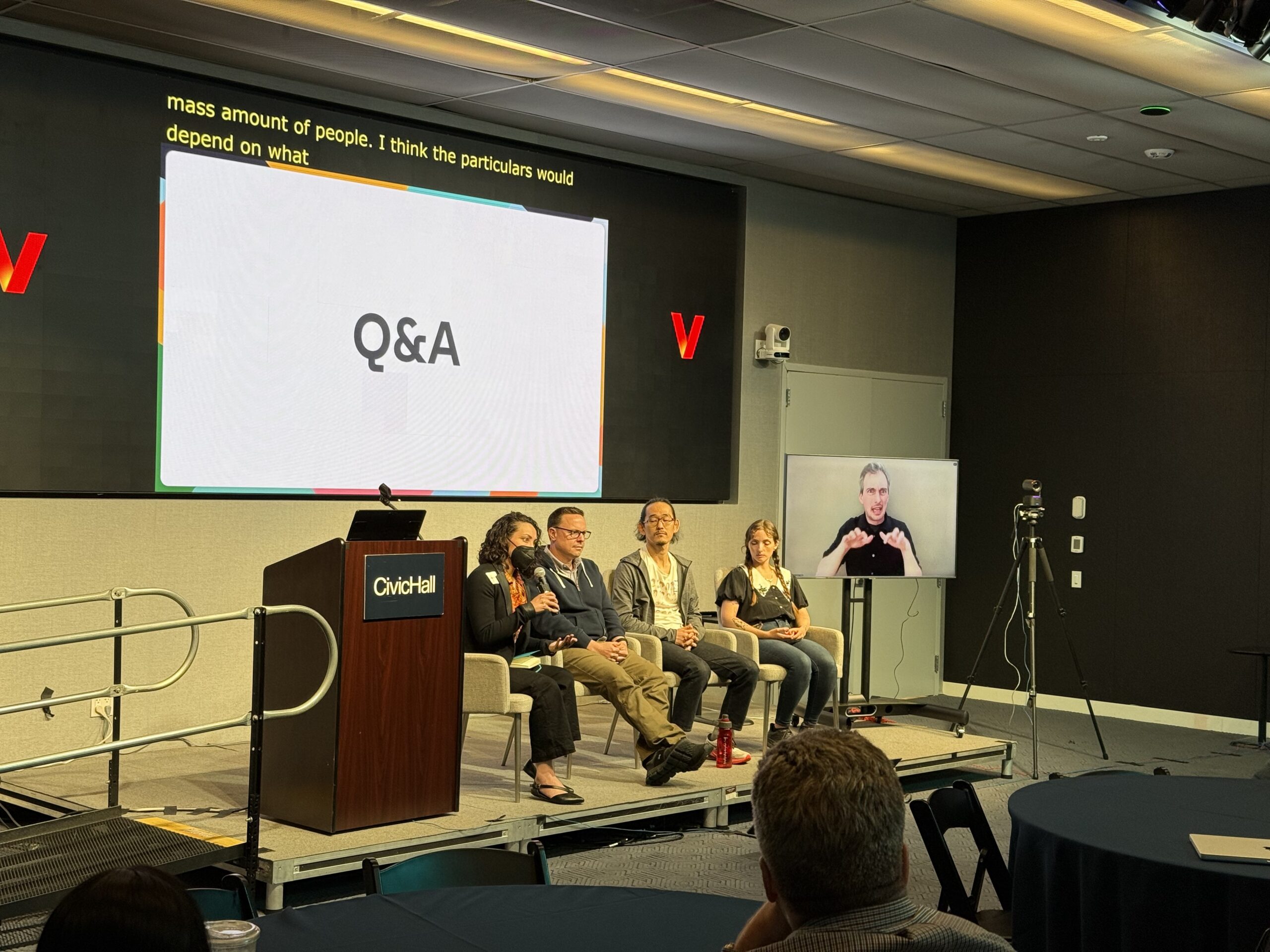
This article is based on four lightning talks given at A11yNYC. Raquel Ronzone from Perkins School for the Blind discusses broadening engagement in accessibility innovation. New Jersey Institute of Technology lecturer Keita Ohshiro explores audio engineering for the deaf and hard of hearing. Indira Ardolic of Tech Kids Unlimited explains how access is a practice at the nonprofit organization serving students with disabilities ages 10 to 24. Damian Sian of Adobe shares how he created an accessibility bookmarklet with AI without being a developer.

From Curiosity to Creation: The Story Behind Accessibility Nerd

Jun 17, 2025

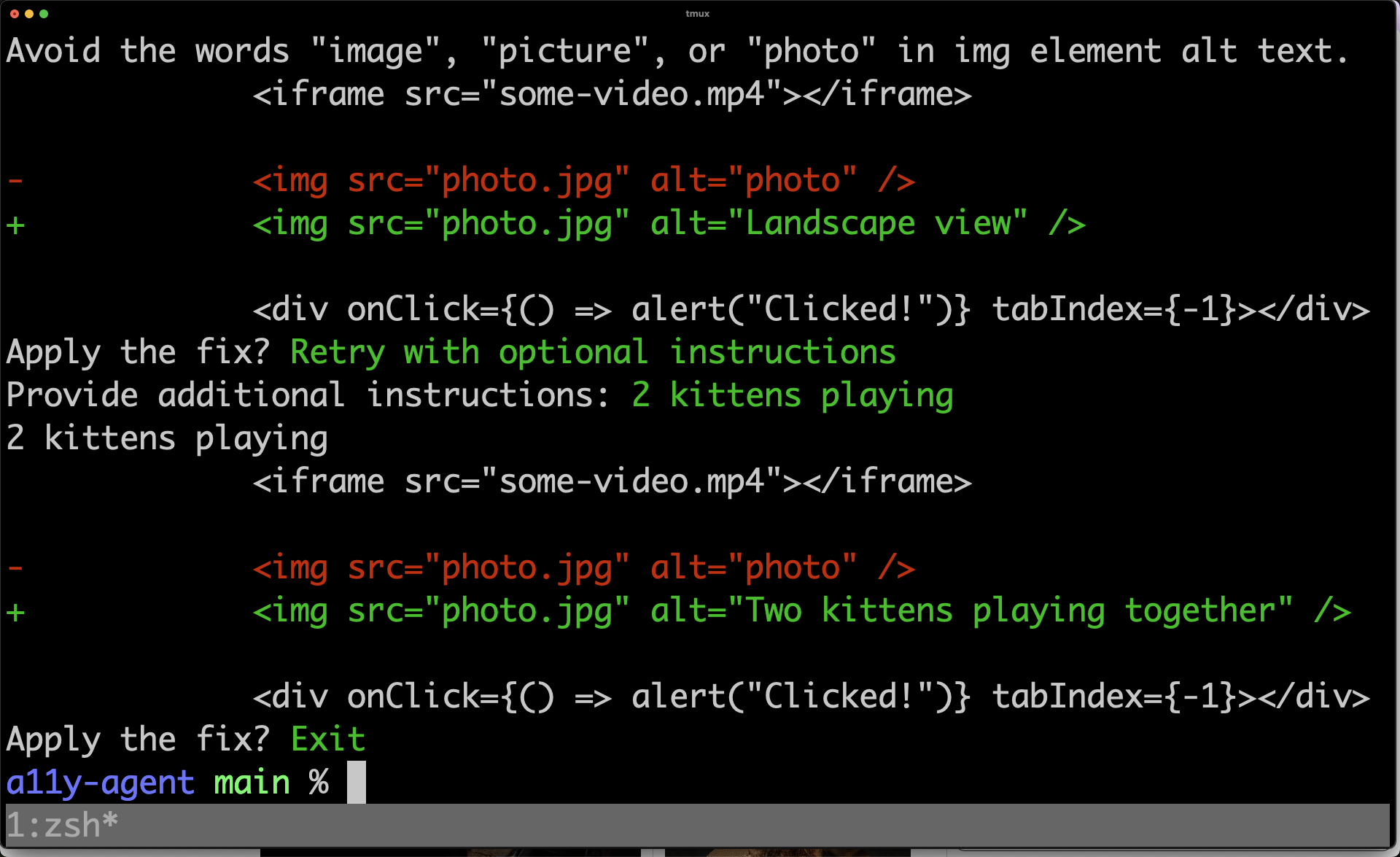
Through his work, Cameron Cundiff develops tools to make digital spaces more inclusive. So, he created the Accessibility Nerd project to explore the intersection of technology, software engineering, and AI in accessibility. One is Image Describer, which helps blind and low-vision users understand images online. Another is a11y-agent, which supports developers in making their code more accessible.

He emphasizes that AI isn’t a replacement for human expertise but a powerful assistant that helps developers identify and fix accessibility issues efficiently. With advancements like AI-powered descriptions and interactive developer assistants, accessibility is becoming more seamless and effective. It’s helping developers and users navigate the digital world with greater ease.

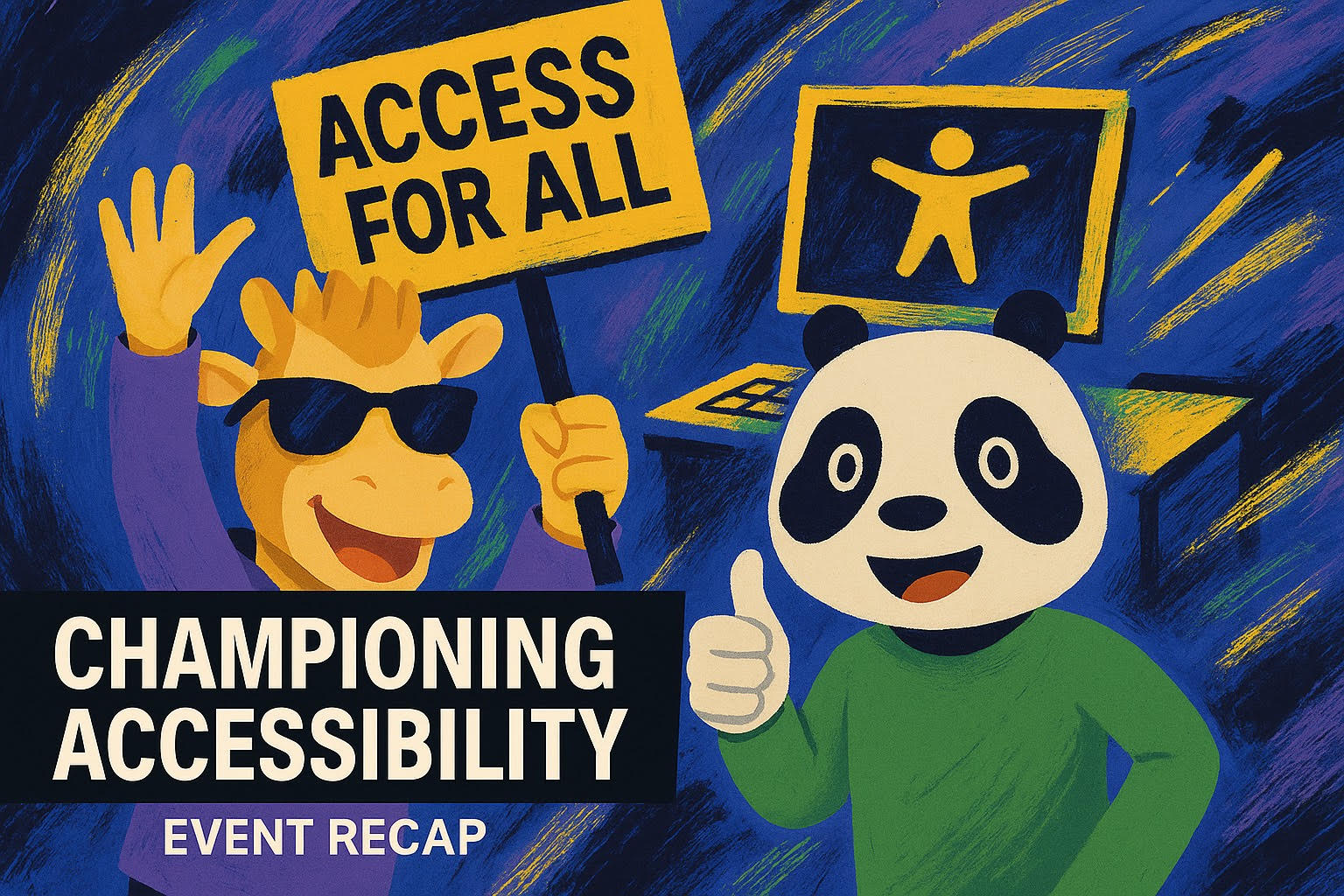
Championing Accessibility: Technical and Non-Technical Tips

Jun 3, 2025

This blog post, based on a talk by Kai Wong and Asha Sachdeva at A11yNYC, explores strategies for championing digital accessibility. The speakers emphasize that anyone, regardless of title or authority, can drive change by fostering an accessibility-focused culture in organizations. It highlights that accessibility is a shared responsibility, and incremental improvements contribute to a broader movement for inclusive digital spaces.

The Impact of Accessibility Laws in Canada: A Critical Perspective

May 7, 2025

In this A11y Insights podcast episode, accessibility expert Nic Steenhout shares personal stories and critiques Canada’s accessibility laws, saying they often lack enforcement. He discusses web accessibility challenges, effective alt text, and how some organizations are improving. Nic emphasizes that true accessibility means usability for everyone, not just checking boxes for compliance.

Tools of the Trade: Accessibility Without the Cost

Apr 29, 2025

In this A11yNYC recap, Jeremy Rivera explains how developers and designers can build accessible digital experiences using free tools. Tools help catch common issues like poor color contrast or missing alt text. Linters like ESLint JSX-A11y act like spellcheck for code, flagging problems as you write. But tools alone aren’t enough. Rivera stresses the importance of manual testing and feedback from people with disabilities.

Benchmarking Usability and the Cognitive Accessibility Frontier

Mar 27, 2025

This post explains how traditional tools like the System Usability Scale don’t always work for people with disabilities, so Fable created a new version called the Accessible Usability Scale (AUS). They’ve expanded it to better include people with cognitive disabilities, like those with memory, attention, or reading challenges. The team formed a working group with people who have lived experience and experts to guide the process.

Older Adults and Digital Inclusion

Feb 25, 2025

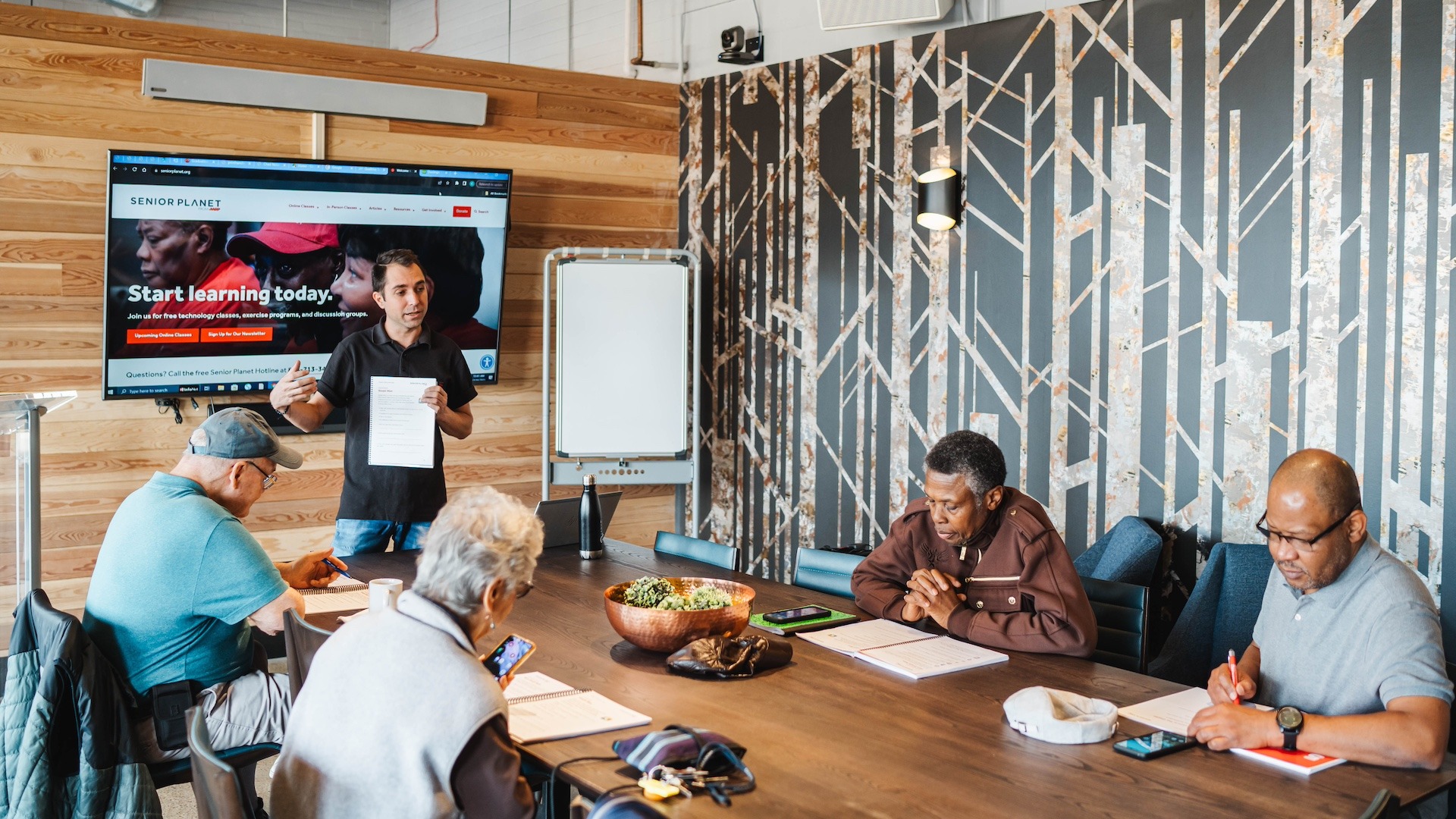
Tom Kamber talks about the founding of Older Adults Technology Services (OATS) to help older adults learn and use technology to improve their lives. It started with one woman who didn’t know what the internet was, and grew into a nationwide movement that offers free, accessible tech classes. The program focuses on what older adults actually want to learn and adapts to their needs with shorter classes, clear language, and community support.

Audio Description in Advertising

Feb 10, 2025

This post explains why audio description in advertising is still rare, even though millions of blind and low-vision people want and need it. Companies often say it’s too expensive or hard to fit into short ads, but the cost is tiny compared to what they spend on production and airtime. The post offers practical solutions, like creating separate AD tracks or getting feedback from the community, and urges advertisers to treat accessibility as a smart business move, not a burden.

Alt Text Accessibility: Balancing AI and Human Oversight

Feb 4, 2025

This conversation explores the challenges of writing good alt text and why relying only on AI isn’t enough. Alt text needs to match the purpose of the image and fit the context where it appears, which AI alone often misses. Creating useful image descriptions requires a clear workflow. This ranges from understanding how images are used to drafting, reviewing, and distributing the descriptions. They also highlight how accessibility often gets lost in complex media workflows, and why human oversight is key to making alt text accurate, respectful, and meaningful. The takeaway: AI can help scale the work, but people still need to guide the process to get it right.