
PDF accessibility is a long-standing challenge. Many documents are hard to navigate, expensive to fix, and difficult for assistive technology to interpret. This article explains why traditional tagging approaches fall short and how AI-powered semantic translation can turn PDFs into accessible Markdown. It also shows how this method supports autonomy, reduces barriers, and creates documents that work for more people.
Author: Equal Entry
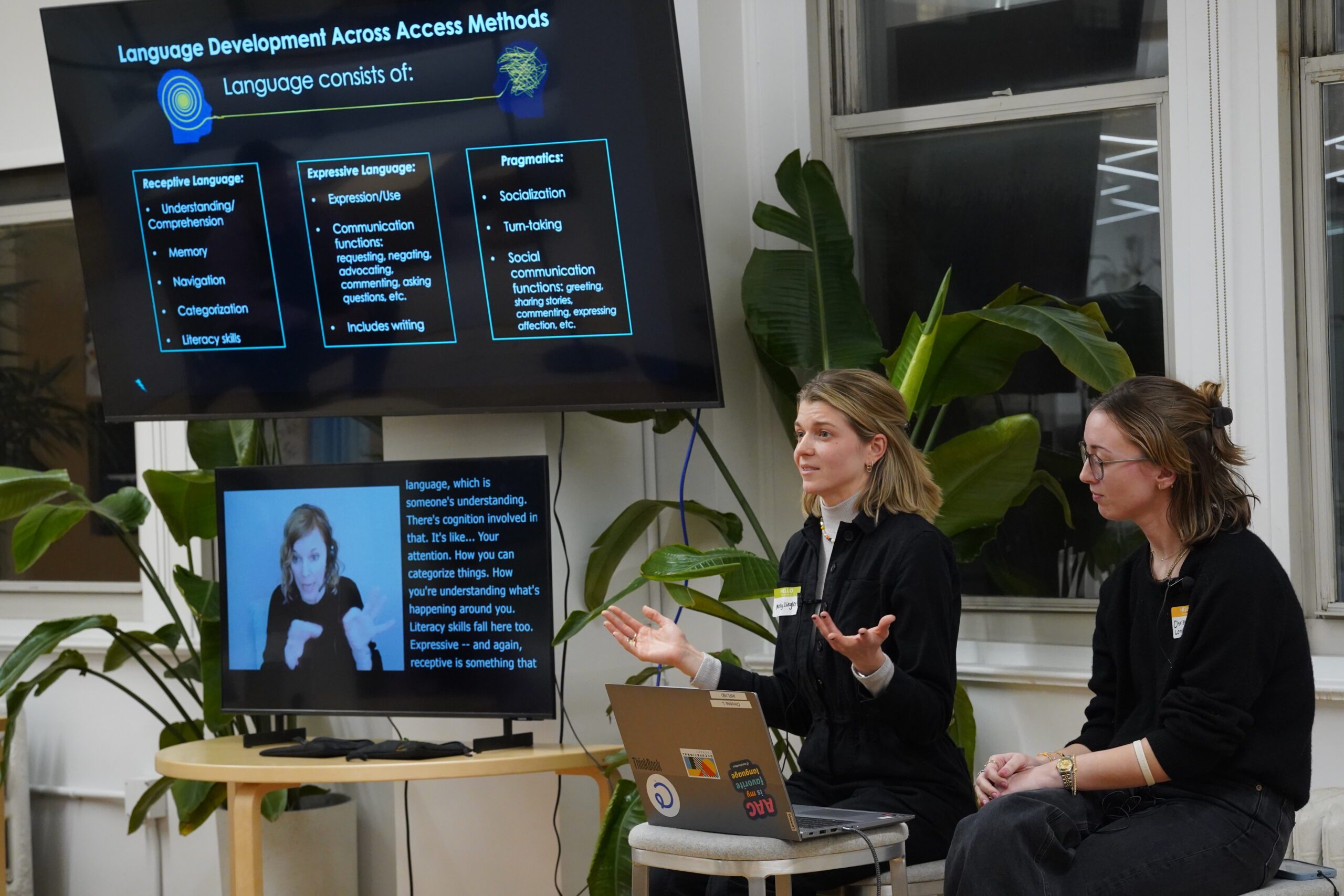
This article explains how to support people who communicate in diverse ways, including those who use augmentative and alternative communication (AAC). It covers the Communication Bill of Rights, the foundations of language, access considerations, vocabulary systems, and practical modeling strategies. The focus is on autonomy, dignity, and meaningful interaction. It describes how to create communication-rich environments, presume potential. It also explains how to use AAC tools in ways that respect each person’s identity, preferences, and communication style.

What Is a Digital Accessibility Audit?
Mar 23, 2026A digital accessibility audit shows how well your product works for people with disabilities and anyone using accessibility tools. Equal Entry’s audit reveals where people get stuck, why those barriers matter, and what to fix first. The Equal Entry audit follows real user journeys, not just pages, so the findings reflect how your product works in practice. You get clear issues, practical guidance, and documentation you can use for legal, procurement, and internal needs. Most importantly, an audit gives your team a concrete way to make meaningful improvements that make your digital experience work for more people.
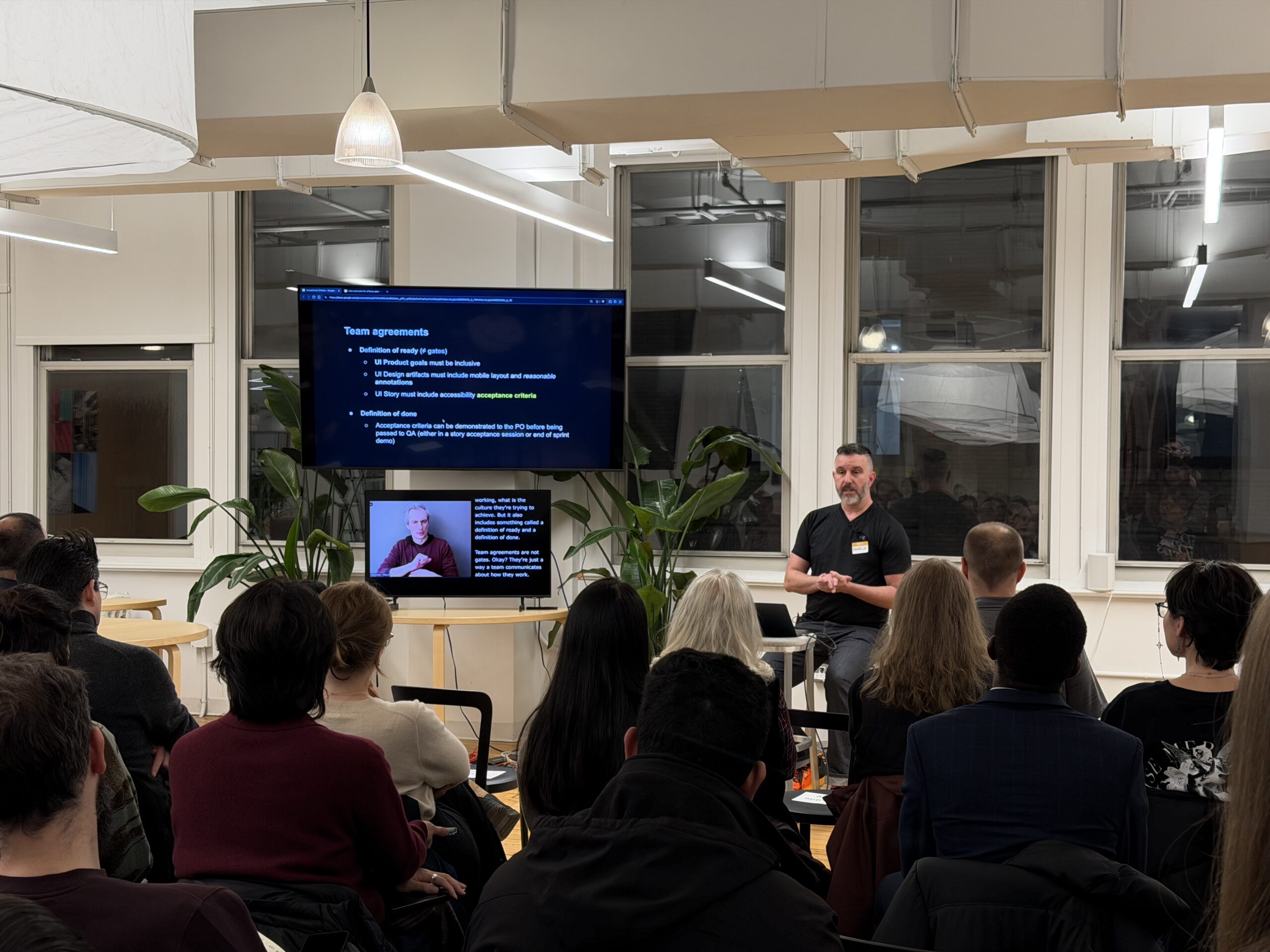
Every Jira Ticket Is Your Accessibility Policy
Mar 4, 2026Charlie Triplett explains how accessibility becomes sustainable when it is built into the everyday tools teams already use. Instead of relying on mindset shifts or expecting everyone to learn the Web Content Accessibility Guidelines (WCAG), Charlie shows how acceptance criteria, team agreements, and agile practices help designers, developers, and product owners understand what success looks like for real people. By embedding accessibility into user stories and Jira tickets, teams become more self-sufficient, reduce ambiguity, and create digital products that work for everyone.
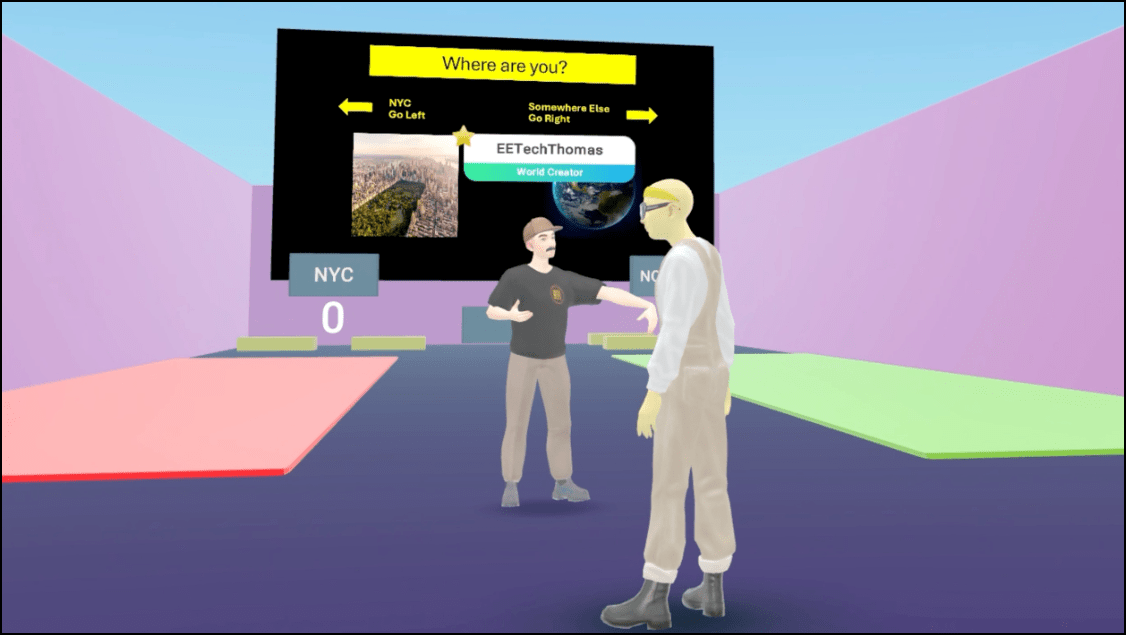
In this article, based on his presentation, Thomas Logan explores the accessibility lessons shared in a detailed presentation on Meta Horizon Worlds and the Meta Quest 3. It highlights how virtual reality introduces new barriers and new opportunities for inclusion, from head-based navigation and hand-controller dexterity to caption placement, screen reader support, and seated-mode design. The recap focuses on what works, where gaps remain, and how developers and organizations can build more accessible XR experiences that respect autonomy, safety, and dignity.
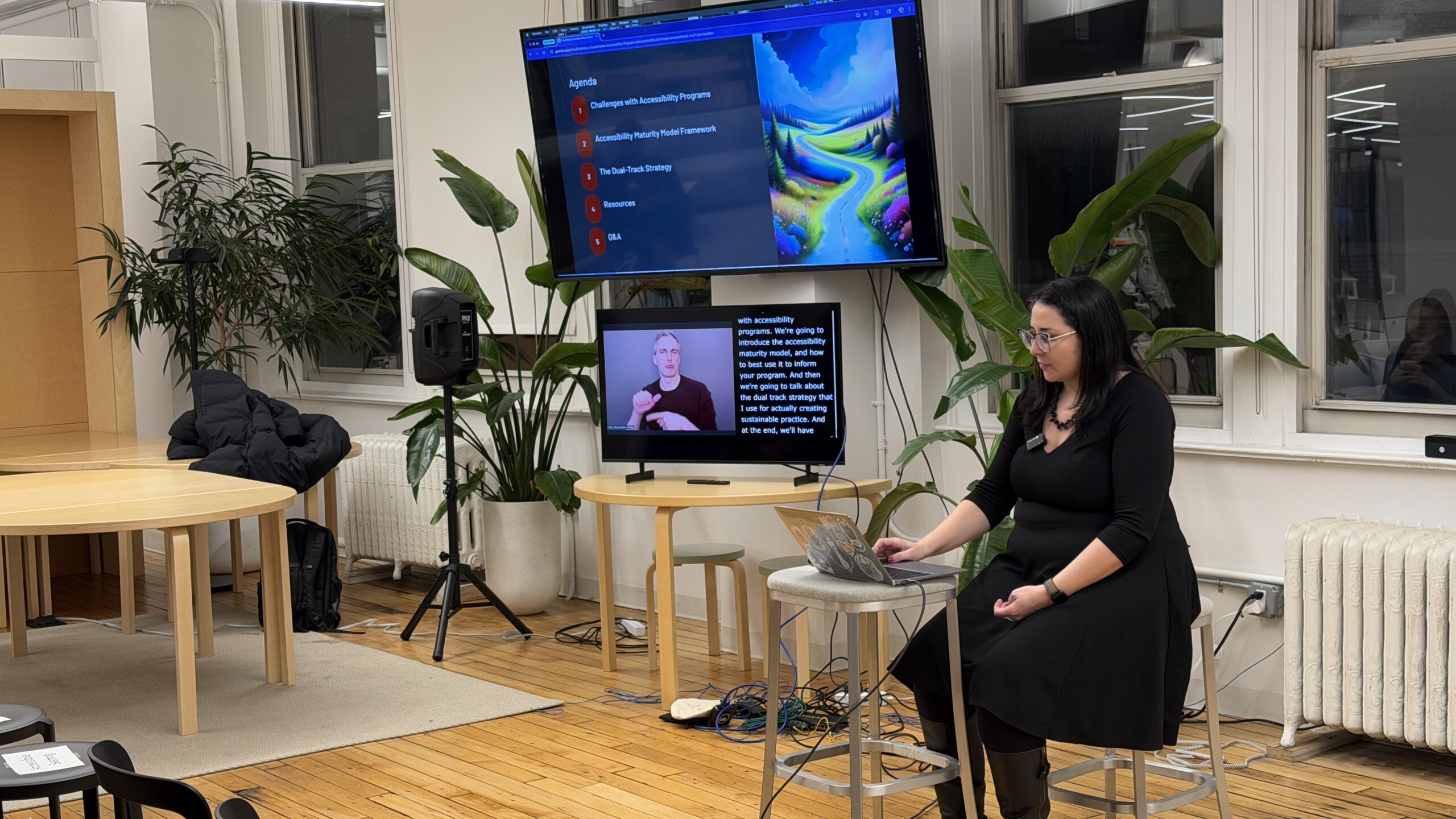
At an A11yNYC meetup, Lina Trifon, Senior Product Manager of Accessibility, shared practical strategies for building sustainable accessibility programs. Drawing from lived experience and product leadership, Lina outlined how to use the W3C Accessibility Maturity Model and a dual-track approach — reactive and proactive — to move organizations from awareness to integration. The conversation emphasized dignity, inclusion, and realistic steps for embedding accessibility into workflows.
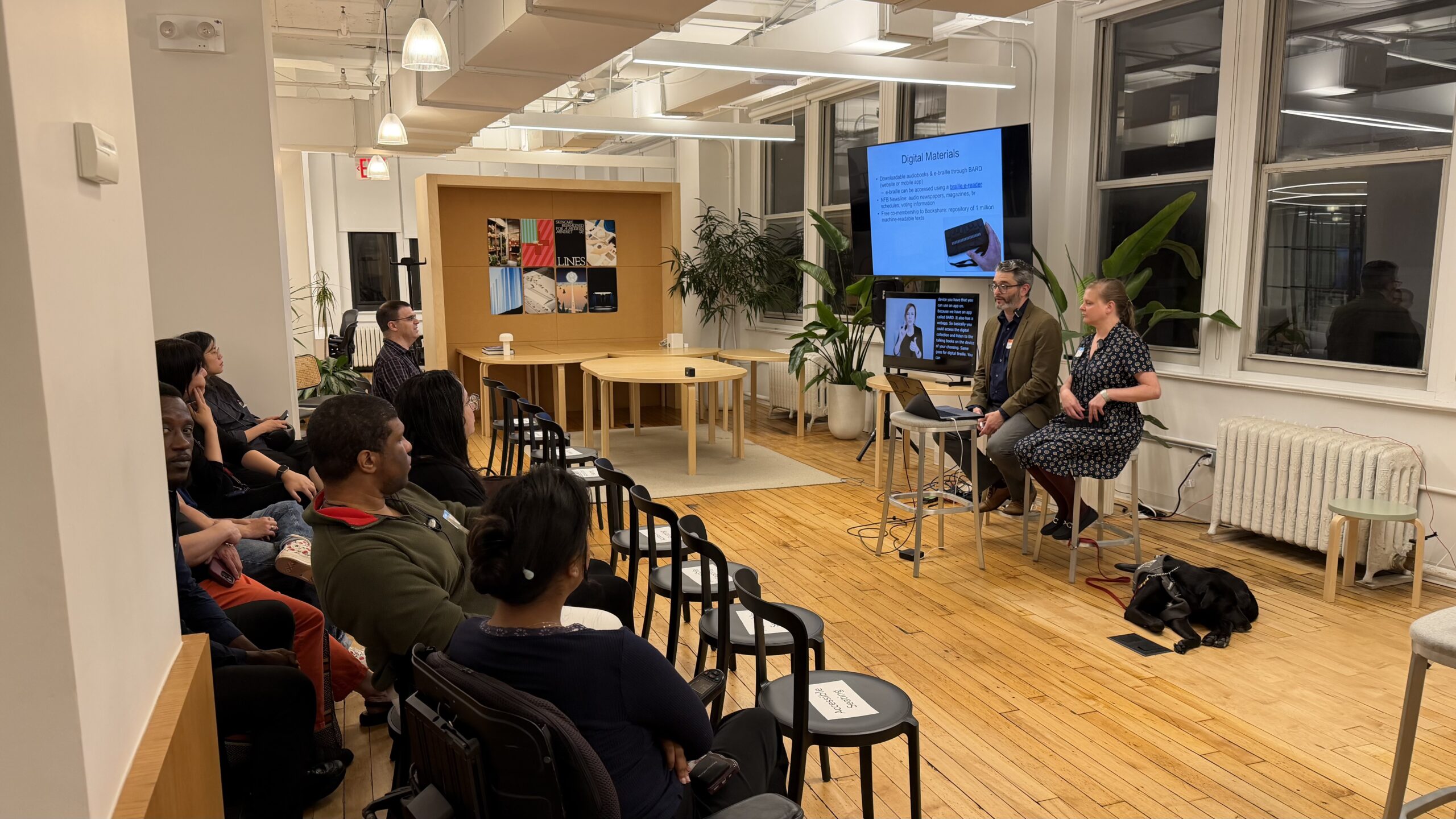
Most people take reading for granted. But for those with print disabilities, access to books, news, and learning materials can be life-changing. The Andrew Heiskell Braille and Talking Book Library transforms that access into reality, offering free talking books, Braille materials, digital downloads, and personalized tech support for anyone who can’t process standard print. Through tactile arts labs, assistive technology coaching, and inclusive programming, the library empowers patrons to read, create, and connect on their own terms. They prove that literacy is about freedom.
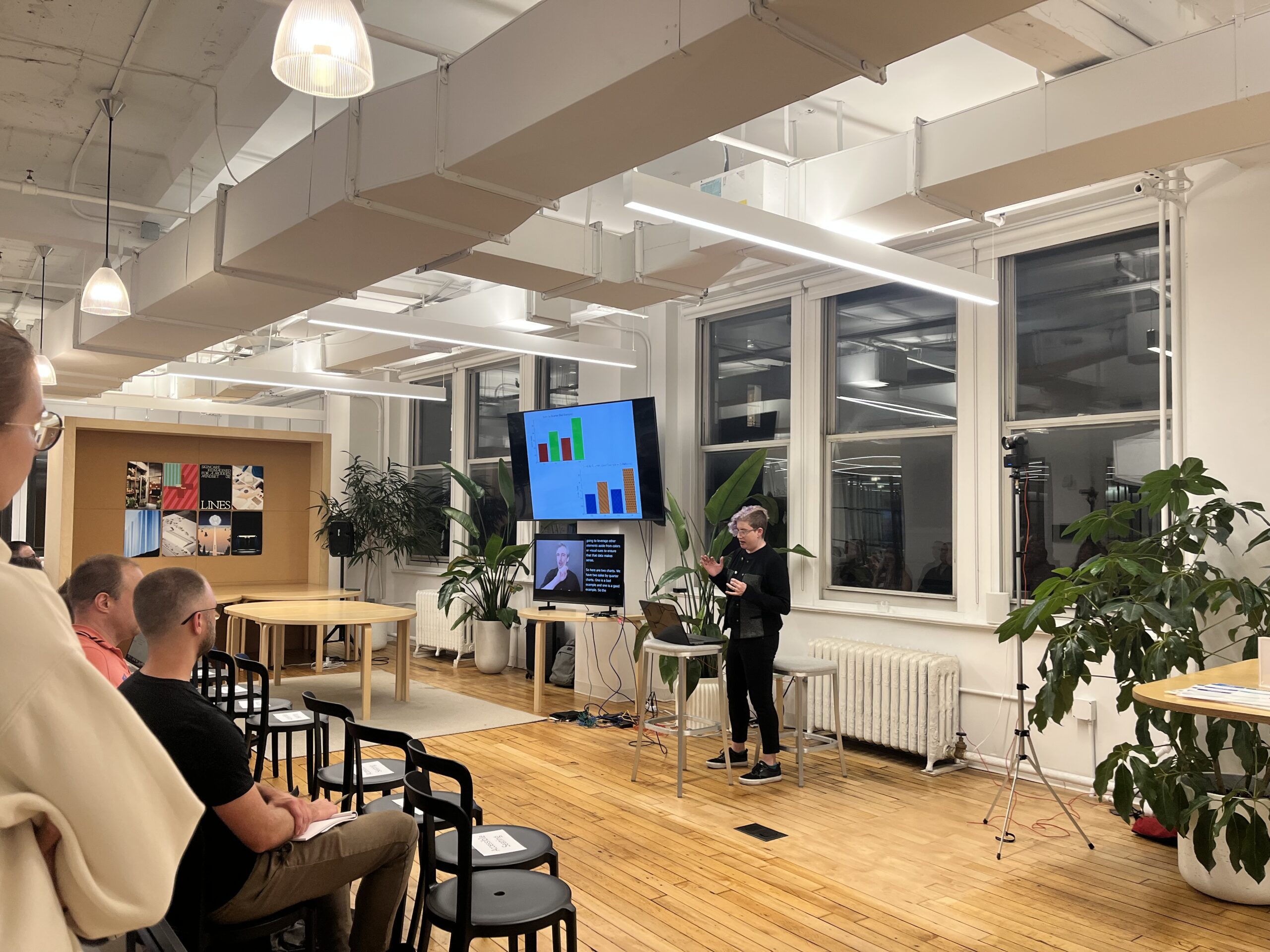
Based on Dr. Angela Young’s A11yNYC talk, this explores how inclusive design transforms raw data into stories everyone can understand and act on. They unpacked the hidden costs of inaccessible dashboards, explained how to design for access from the start, and showed how storytelling can make complex data clear and memorable. The takeaway: Accessible data design is more than compliance. It’s a strategy for clarity, equity, and trust. When organizations build accessibility into every chart, caption, and narrative, they turn information into insight and ensure that every voice can participate in decision-making.
This article explains why accessibility audits are essential for websites and digital content. It shows how even small design changes can create barriers for users. The Equal Entry team identifies these issues and fixes them. It emphasizes that accessibility is an ongoing responsibility, not a one-time task. Fixing problems improves usability, protects credibility, and shows respect for all users.
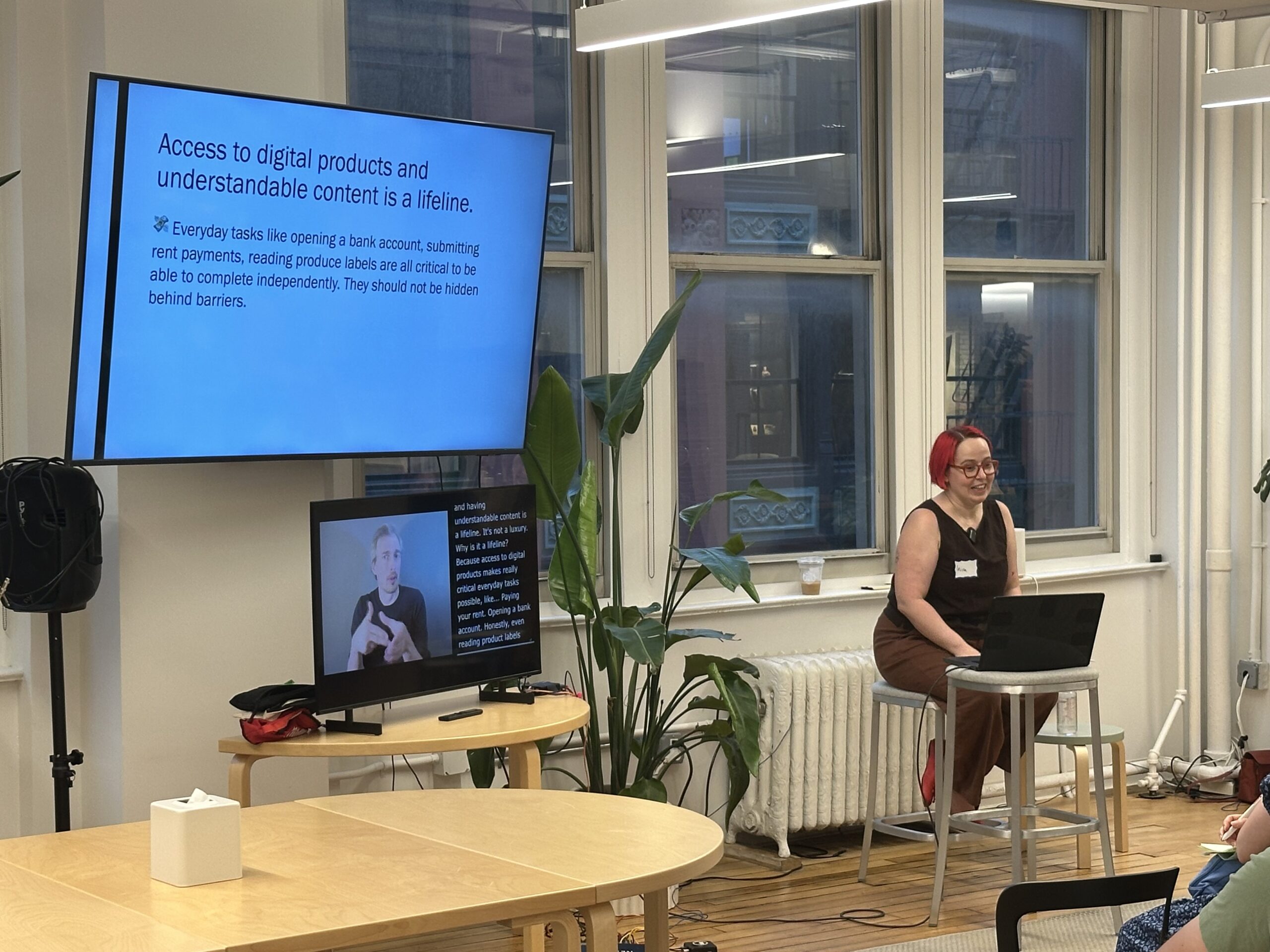
Based on Irina Morozova’s A11yNYC talk, this explores how thoughtful content and inclusive design can make digital experiences more accessible for people with limited English proficiency. She emphasizes that unclear language and poor design can turn everyday tasks into stressful barriers, eroding independence and dignity. The article offers practical strategies such as using plain language, meaningful headings, avoiding idioms and abbreviations, and designing multimedia with clarity and calmness. Irina advocates for respectful, intuitive design that empowers users and reduces cognitive load, highlighting the importance of planning for accessibility from the start